


6 Timeless Retail Tips from Maison Empereur, France’s Oldest Hardware Store

In the heart of Marseille in southern France, behind thick stone walls that once welcomed horse-drawn carts, Maison Empereur has quietly defied time. Established more than two centuries ago, it is France’s oldest hardware store and remains family-run by eighth-generation, Martin Guez-Empereur. With 55,000 SKUs, 1,500 suppliers, and a history that’s as rich as the store’s aroma of wood, soap, and steel, Maison Empereur is more than just a retail destination—it’s a living museum of craftsmanship, adaptation, and deep-rooted values.
“I’ve worked here officially for four years,” says Guez-Empereur, “but I’ve been in the store every day of my life.”
He’s not exaggerating. His first day on Earth was followed by his first day in the store. Childhood homework, games, and later work experience all took place within Maison Empereur’s walls.
“I never had a nanny,” he says with a grin. “I just stayed in the store.”
The business, founded by an ancestor with a sense of practicality and permanence, has been passed from one generation to the next with both reverence and reinvention. Guez-Empereur credits his mother, Laurence Renaux-Empereur, with modernizing the store and setting high expectations for the future.
“My family did a great job,” he says. “Now, everyone is watching me to see what I’ll do. It’s stressful, but I’m managing it.”
Today, Guez-Empereur juggles responsibilities that range from supplier negotiations to cave cleanups (literally—he was clearing out dead rats before a morning legal meeting). The 12-department store carries everything from kitchen tools and gardening supplies to French knives and artisanal soaps, all curated with a sense of legacy and quality.
“People come to us for advice and authenticity,” he explains. “We are not trying to sell at any cost.”
Buying Directly from Manufacturers, Makers
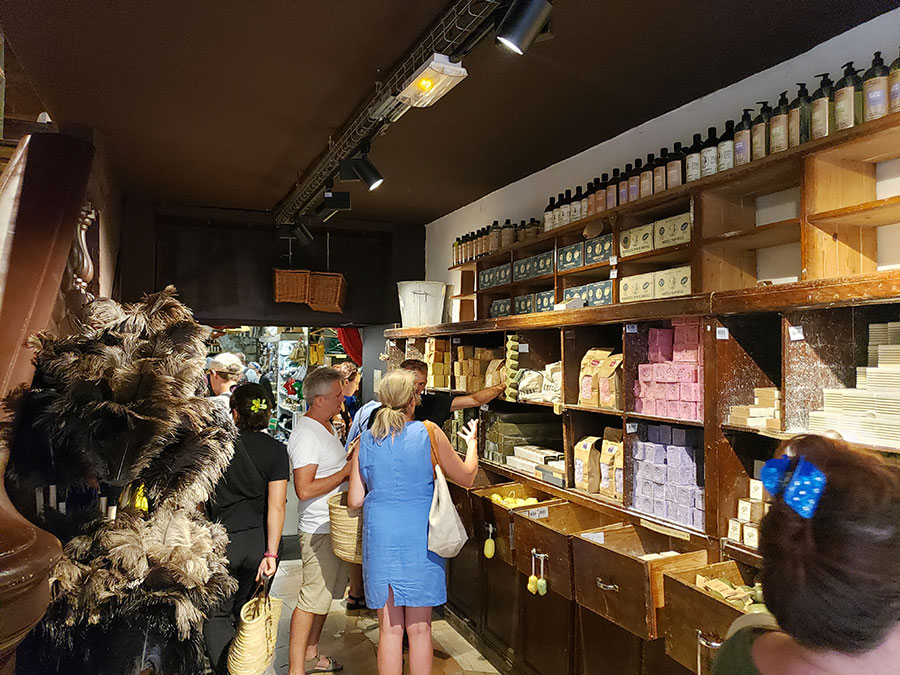
In a retail landscape dominated by central distribution, Maison Empereur operates on a model that most U.S. retailers would find unthinkable: 1,500 suppliers, no warehouse stock, and weekly direct orders.
“We don’t work with platforms,” Guez-Empereur says. “We send thousands of orders a week directly to manufacturers.”
This approach isn’t just about tradition—it’s about control and curation. The store keeps adding SKUs and rarely removes them.
“If something enters the store, it doesn’t leave unless the manufacturer stops making it,” he says.
That policy has led to tight space and the need for constant adaptation, including physically expanding the store by knocking down walls. “We just keep growing and adjusting,” Guez-Empereur says.
This buying practice has served the company for about two centuries. Striving to find new vendors throughout its history, Maison Empereur is also a pioneer. For example, the store was the first to sell Winchester rifles, and even has a shooting gallery in its basement.

Modern Tech—Reluctantly Adopted
Maison Empereur was run entirely on paper and calculator until four years ago.
“We used to write down ‘nails, 5 cm, 300 grams’ by hand and calculate the total,” Guez-Empereur recalls. COVID forced change. The store now runs on custom-built software created specifically to handle its unique structure and massive SKU count.
Still, many employees resisted.
“The old guys loved it when the power went out,” he laughs. “They were fine going back to the old way. The young guys panicked.”
Zero Marketing Budget, But a Global Reputation
Maison Empereur has no marketing department and spends nothing on advertising. Yet, the company boasts a lively social media presence on Instagram and Facebook, regularly getting dozens of likes for product posts and hundreds of likes for history-related posts, such as a recent one showing the different generations of store owners.
Also, the company was recently featured in The New York Times. Guez-Empereur attributes the store’s reach to word-of-mouth and simply the story of the store.
“There’s no need for paid advertisements,” Guez-Empereur says. “We’re always in articles. There’s a real story here—and people want to tell it.”
Merchandising: A Philosophy, Not a Planogram
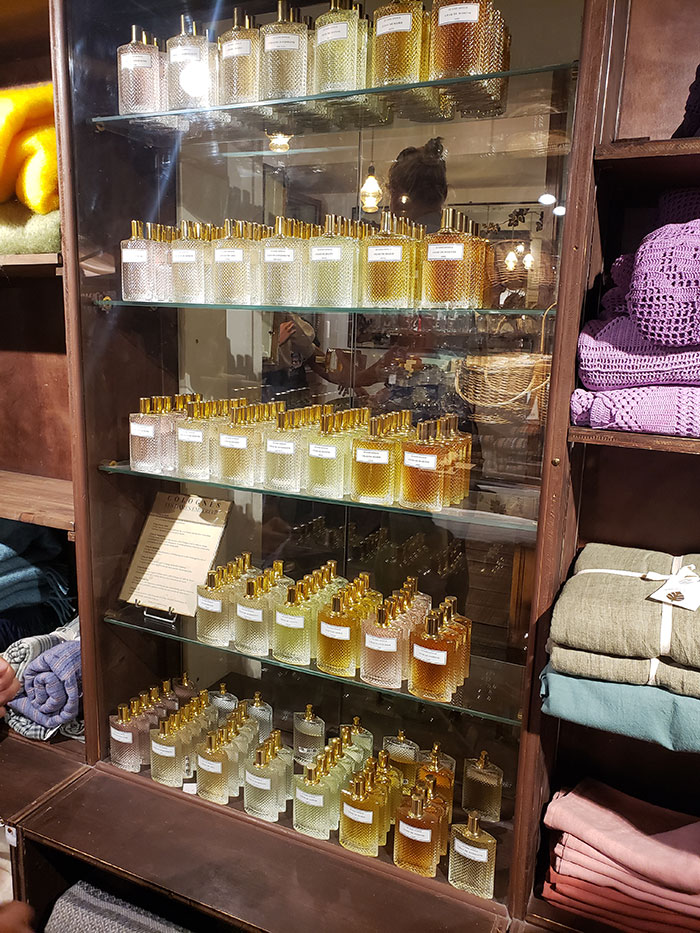
One of Maison Empereur’s most striking features is its visual merchandising. Packaging is stripped away. Displays are crafted to highlight product integrity and tactile quality.
“If you see a spoon, you know it’s a spoon. Why hide it in a red box?” he asks. “We don’t want a rainbow of packaging. We want the customer to see the product, to touch it, and to understand its purpose.”
The Value of Atmosphere and Storytelling
“Competitors might have the same product,” Guez-Empereur says, “but they don’t have the story, the atmosphere, the emotion.”
To walk into Maison Empereur is to step into something that hasn’t been digitally flattened or mass-produced. “The walls speak,” he says. “There’s real history here.”
Even when they opened a pop-up store in Paris’s prestigious Le Bon Marché, Guez-Empereur says the magic didn’t translate. “It was beautiful, but empty. Like an egg with nothing inside. You need to come here to feel it.”
A Store That Sells Trust Before Products
The philosophy Guez-Empereur applies is simple but powerful: listen first, sell second.
“If we don’t have what a customer needs, we give them advice anyway,” he says. “That trust brings them back.”
Maison Empereur is, in many ways, a masterclass in old-world retail values meeting new-world demands—with authenticity, adaptability, and zero tolerance for complacency.
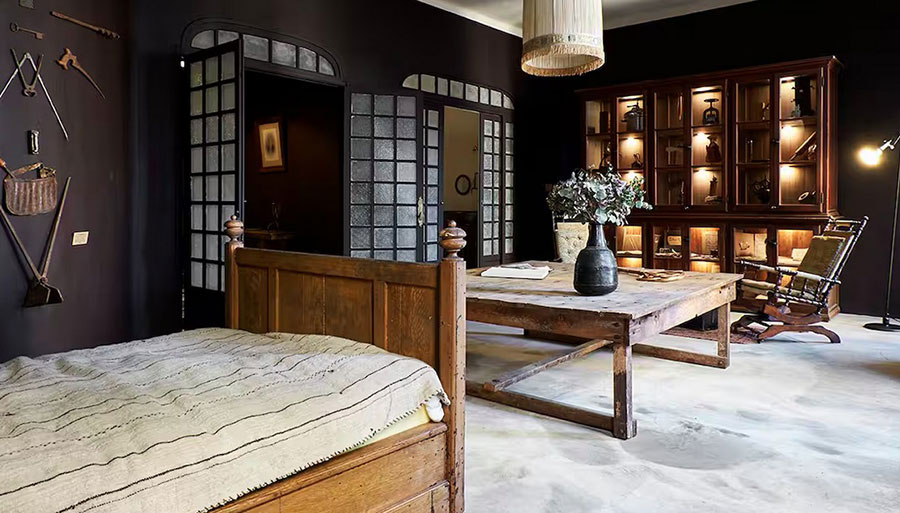
And for those customers who can’t get enough of the store’s charm after the retail floor closes, they can stay in an Airbnb room furnished with 1800s-vintage furniture and fixtures.
That growth isn’t just figurative: over time, Maison Empereur has expanded room by room, taking over spaces like the second-floor dance studio where Martin’s grandmother once danced. Today, that space is part of the store’s ever-evolving footprint—a living reflection of its history and future.
In the near future, Guez-Empereur envisions add a café to the front of the shop, moving the one already inside to make more room for more products.
“Actually, there is a great story—and there are so many,” Martin says. “You just keep growing, growing up, growing up—and you just keep pushing walls all the time.”
6 Timeless Retail Wisdom Tips from Maison Empereur
1. Let the Store Tell a Story
Martin Guez-Empereur emphasizes emotion over marketing. Every display at Maison Empereur is layered with narrative—from antique tools to modern essentials—so customers feel they’re discovering something personal and meaningful, not just browsing.
2. Keep Bestsellers Visible, But Don’t Be Obvious
While Maison Empereur has popular, high-margin staples (brushes, enamel signs, traditional razors), they’re placed in ways that feel organic. Guez-Empereur avoids spotlighting items too aggressively. “Let them find it,” he says—creating moments of delight and exploration.
3. Make the Ordinary Extraordinary
The store doesn’t chase trends; it honors timeless function. A simple dustpan or folding knife is presented with the same care as luxury goods. This elevates humble products and builds trust in their quality.
4. Embrace Slow Retail
Maison Empereur is a destination, not a quick stop. Customers are encouraged to linger, wander, and return. That slower pace makes the visit feel like a ritual—and the store, a living memory.
5. Connect Products to Culture
From showcasing tools used by French resistance fighters to vintage pastry molds, the store links merchandise to national heritage. “It’s not nostalgia—it’s history,” says Guez-Empereur. That cultural connection makes even small purchases feel meaningful.
6. Trust Your Instincts, Not Just Data
Maison Empereur doesn’t rely on metrics to guide assortment. Guez-Empereur follows his gut—and the store’s long-standing identity—to decide what belongs on the shelf. This conviction builds a unique, authentic experience algorithms can’t replicate.


