

Trex Identifies 6 Outdoor Living Trends for 2026
Outdoor living continues to gain momentum heading into 2026, with homeowners prioritizing spaces that combine durability, functionality and design flexibility, according to a new trends report from Trex Company. The shift reflects broader consumer intent, with 77 percent of U.S. homeowners saying they want to spend more time outside and nearly 60 percent planning to invest in their outdoor spaces this year, according to a Trex outdoor living trends press release.
The trend aligns with ongoing coverage in Hardware Connection, including its January special issue focused on outdoor living and grilling, where retailers continue to see demand tied to backyard upgrades and entertaining.
Top Outdoor Living Trends for 2026

Micro-resort living is reshaping backyard design
Homeowners are moving beyond basic setups toward fully realized outdoor environments designed for multiple uses. Dedicated zones for dining, relaxation and entertainment are becoming more common, supported by features such as outdoor kitchens, fire elements and layered lighting. Durable, low-maintenance materials are central to these spaces, allowing homeowners to focus on use rather than upkeep.
Warmer tones and mixed materials gain traction
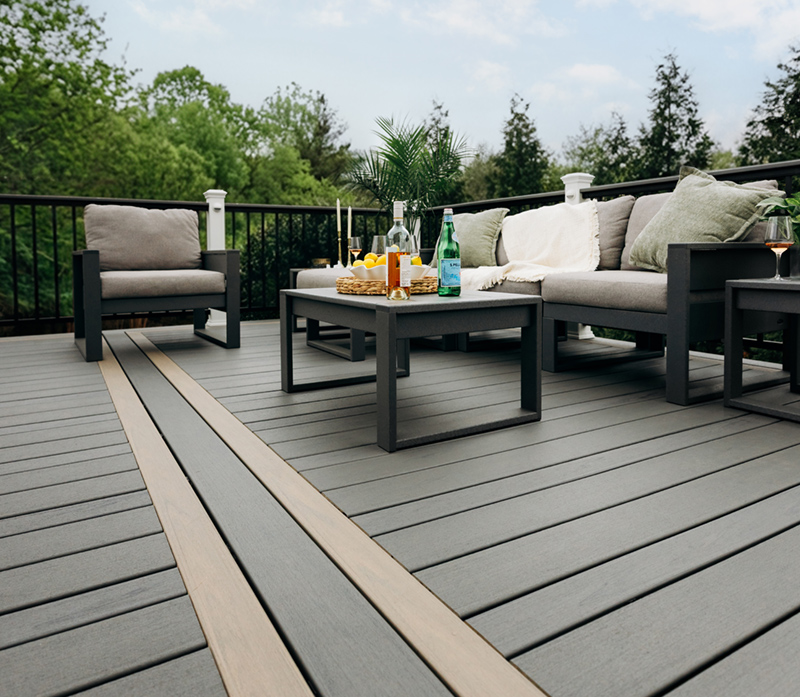
After years of cooler gray palettes, warmer brown tones are returning to prominence. At the same time, homeowners are combining materials such as composite decking, stone and metal to create more customized looks. Mixed board widths and varied textures are also being used to add depth and visual interest to outdoor layouts.
Climate-resilient materials become essential
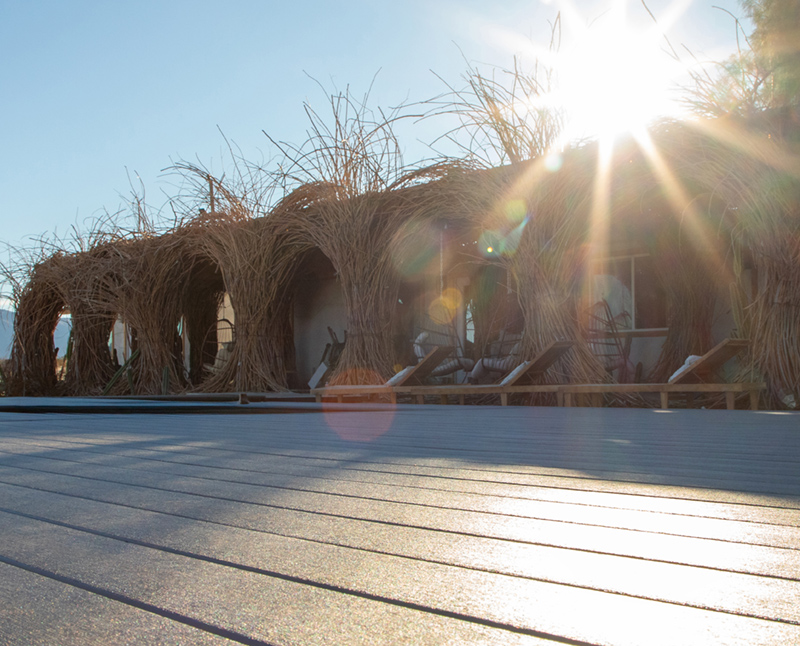
Material performance is increasingly a deciding factor. Products that can withstand moisture, heat and temperature swings are moving from optional to expected. Advances in composite materials, including heat-mitigating and moisture-resistant technologies, are helping homeowners maintain both appearance and function across a range of environments.

Smaller spaces drive creative design
Not all outdoor spaces are expansive, but homeowners are finding ways to maximize impact in smaller footprints. Built-in seating, multi-level layouts and integrated planters are being used to create distinct zones within limited space. Under-deck systems are also expanding usable square footage by converting previously unused areas into functional outdoor rooms.
Railing systems prioritize visibility
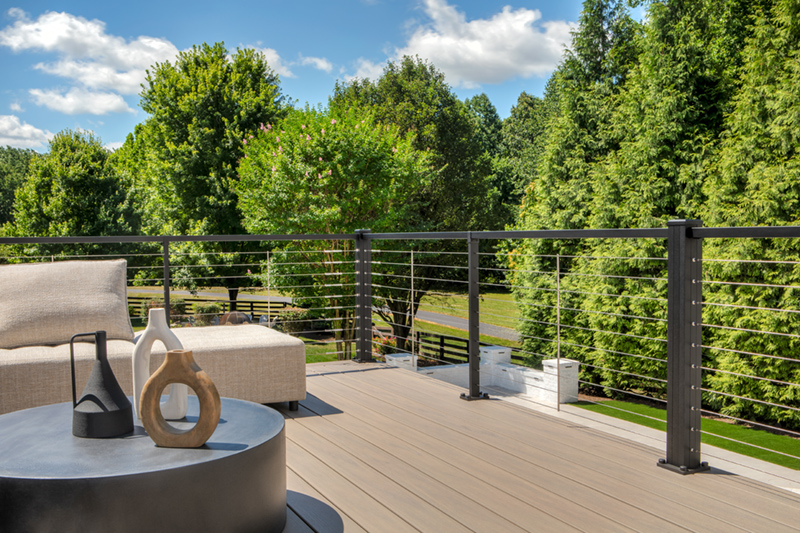
As decks become more design-focused, railing systems are evolving to match. Minimalist options such as cable and glass panels are gaining popularity, particularly in settings where preserving sightlines is a priority. These systems offer durability while maintaining an open, unobstructed feel.
Privacy features take on a design role
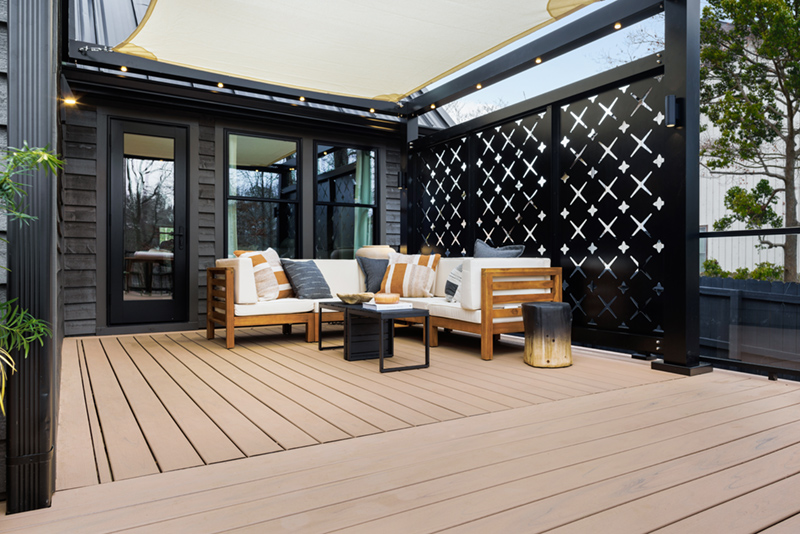
Privacy is being addressed through design as much as function. Pergolas, screens and composite fencing are helping homeowners create more defined and personal outdoor environments. These features provide separation while contributing to the overall aesthetic of the space.