Q&A Thought Leadership With Channellock: Close to the Factory Floor
Part of the fifth generation at the head of the family business, Channellock, Ryan DeArment discusses leadership, workforce development and why his company remains committed to American manufacturing and independent hardware retailers.

Few brands in the hardware industry carry the history—or recognition—of Channellock. Founded in 1886 and still family-owned, the Meadville, Pennsylvania–based company has spent nearly 140 years building its reputation on American manufacturing, product quality and strong relationships with independent retailers. It remains under the leadership of the DeArment family, with fifth-generation leaders guiding the business while preparing the next in line to carry the brand forward.
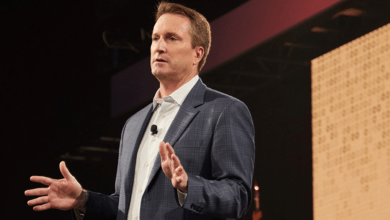
Ryan DeArment has been a key part of that effort for more than 15 years, serving in sales and marketing leadership roles before being promoted to executive vice president of sales and marketing earlier this year. A member of that fifth generation, DeArment has helped oversee the company’s evolution from a pliers-focused manufacturer into a broader hand-tool brand while maintaining its commitment to U.S. manufacturing and the independent channel.
That commitment was on display recently through Channellock’s expanded partnership with Do it Best, a program designed to strengthen assortment, merchandising and distribution opportunities for independent dealers. For DeArment, the initiative reflects a broader philosophy: helping independent retailers compete by pairing a trusted brand with strong channel support.
In this exclusive Q&A, DeArment discusses the responsibilities that come with leading a longtime family business, the pressures facing manufacturers today, the future of hand tools and why Channellock continues to invest in independent hardware retailers.
Hardware Connection: Channellock is now in its fifth generation of family leadership. How does that shape the decisions you make day to day?
Ryan DeArment: Carrying a 5-generation legacy comes with a sense of responsibility. When a company has been around since 1886, you have to think beyond the next quarter. We’re working to preserve what generations of employees, customers and partners have built. That creates a strong sense of accountability, especially to the people on the factory floor and the independent retailers who’ve supported us for decades.
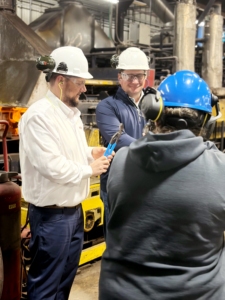
That responsibility shows up in practical ways. We stay close to the business. One of our founding principles is that good management is never far from the factory floor, and that’s still true. We spend a lot of time making sure we’re supporting product quality, delivering for customers and maintaining the trust people place in the Channellock name.
We’re doing things differently in how we run the business operationally. We’ve brought in outside talent, reorganized leadership and implemented systems such as EOS [Entrepreneurial Operating System] to increase discipline and decision-making speed. It’s about building a more scalable, data-driven organization. We’re consistent and strong in our commitment to U.S. manufacturing, our obsession with quality over shortcuts, our belief that people come before machines and our focus on long-term relationships over short-term wins.
What are the biggest business pressures you’re facing right now?
Our current environment reflects strong demand and the opportunity to grow. Over the past two years, we’ve navigated dynamic market conditions, including demand surges that were influenced by tariff-related activity, while continuing to strengthen our production capacity and service performance.
We’re addressing workforce transitions by enhancing our recruiting and developing talent to offset retirements. At the same time, we’ve adapted to extended lead times in equipment sourcing and maintenance by improving planning and supplier engagement.
These actions position us well to meet customer expectations, expand capacity and continue to deliver high-demand products with increasing efficiency and reliability.
Channellock has long been associated with U.S. manufacturing. How do you evaluate that commitment today when you’re competing against lower-cost global products?
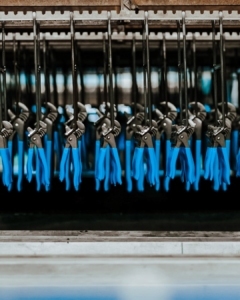
Through the lens of value, not just cost. While competing against imports is challenging, quality, durability and trust still matter deeply to both independent retailers and their customers.
You’ve expanded beyond core pliers into adjacent categories. How do you decide which products fit the brand and where to draw the line?
Our expansion strategy is centered on whether a product delivers the same level of trust as our core pliers. Growth matters, but brand integrity matters more.
How would you describe Channellock’s relationship with independent hardware store owners, and what role do those retailers play in your long-term strategy?
Independent hardware stores are foundational to our business. They champion quality brands, provide local service and create merchandising opportunities that drive sell-through.
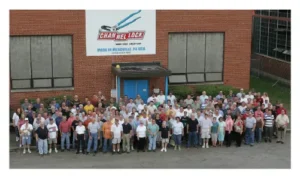
Workforce management remains a challenge across manufacturing. What has been effective for you in recruiting, training and retaining skilled employees?
We focus on strong culture, clear expectations, investment in people and performance incentives. Pride in the work and connection to our legacy play a major role in retention.
Channellock recently rolled out a program with Do it Best. Why is this partnership something you got behind, and where do you see it leading?
It aligns with our focus on independents and allows for mutual growth through strong distribution, merchandising and support. It works because it creates mutual growth. Dealers get access to a trusted, high-performing brand, and we gain stronger channel alignment and distribution reach. Together, we can then build programs that drive sell through, not just shipments.
Looking ahead, we see this partnership going deeper, with more collaboration on assortment, merchandising and programs that help independents compete more effectively.
If you look ahead five years, what are your bold predictions for where the hand-tool industry is headed?
We expect continued separation between low-cost and premium tools, renewed focus on domestic manufacturing, higher service expectations and continued strength in the independent channel.