
Holiday Sales Still Deliver—if You Lean in Early


For independent hardware store owners, the holiday season carries weight far beyond decorations and displays. It represents one of the most important stretches of the retail calendar, during which customer traffic, discretionary spending and impulse purchases all come together.
Across the broader retail landscape, that importance continues to hold. Holiday retail sales in the United States have approached $1 trillion in recent years, with steady year-over-year growth, according to the National Retail Federation. That level of activity reinforces what independent hardware store owners already understand: The final months of the year create opportunity.
As holiday spending continues to grow nationally, performance in the independent channel tells a more nuanced story. According to the North American Hardware and Paint Association’s Independent Retailer Index, about 30 percent of independent retailers’ reported year-over-year sales growth is in the fourth quarter, underscoring how much results depend on execution at the store level.
Within the hardware channel, that opportunity looks a little different than it does in big-box or specialty environments. The strength of the category comes from how it connects to everyday needs, seasonal projects and the broader role of the store in the community.
Add-ons Abound During the Holidays
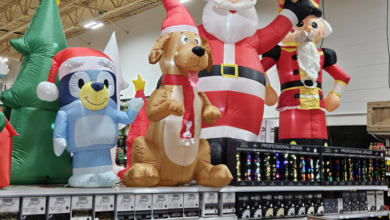
Holiday merchandise plays a part in that equation. Decorative lighting, extension cords, timers, weatherproofing products and outdoor décor all tie directly into how customers prepare their homes for the season. Those purchases often start with a project mindset—installing lights, setting up displays or preparing for winter—and expand into additional items once customers are in the store.

That connection between project and purchase remains one of the biggest advantages independent hardware retailers have in the holiday category.
At the same time, consumer behavior continues to shift. Shoppers are more deliberate, balancing value with experience. Many begin their holiday shopping earlier in the season, extending the selling window and giving retailers more time to capture demand, according to holiday retail trend reporting from Deloitte and the National Retail Federation.
Longer Runway for Holiday Sales
For independent retailers, that shift creates a longer runway. Bringing in seasonal merchandise earlier allows stores to capture early decorators, small-business buyers and customers who prefer to spread out their spending. It also provides more time to build displays, rotate inventory and create a sense of momentum leading into peak weeks.
Even with the growth of e-commerce, physical stores remain central to the holiday experience. A majority of consumers continue to complete at least part of their holiday shopping in-store, according to the U.S. Chamber of Commerce, often after researching products online before shopping in person. That dynamic plays directly into the strengths of independent hardware stores, where product knowledge and hands-on guidance help close the sale.
The role of the store as a destination becomes especially important during the holidays.

Community Connections > Transactions
During the holidays, customers are looking for more. They’re preparing their homes, solving problems and, in many cases, creating traditions. Stores that lean into that mindset—through displays, product groupings and knowledgeable staff—position themselves to capture more of that spending.
Category performance also reflects broader retail trends. Holiday home décor has maintained steady demand in recent years, even as spending patterns shift across other discretionary categories, according to industry reporting from Home Textiles Today. At the same time, overall holiday retail growth is expected to remain modest, with consumers continuing to watch spending closely, according to outlooks from firms such as Deloitte and Avison Young.
That combination—steady demand paired with selective spending—places a premium on execution.
The holiday category gives independent hardware store owners a chance to become part of how customers prepare for the season each year. Over time, those visits turn into routine—and the store becomes part of customers’ cherished holiday traditions.