Spray Paint Merchandising Tips: A Practical Playbook from a Category Specialist
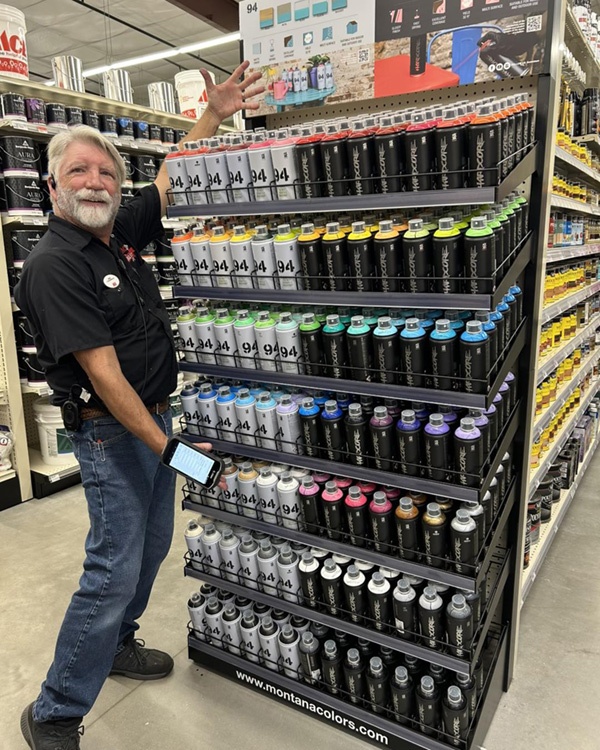

Spray paint remains a deceptively complex category. It looks simple on the shelf, but shoppers often arrive with a narrow, project-specific need tied to color, finish and surface type. In the independent channel, unit sales are also spread across thousands of items rather than concentrated in a small group of top movers, which makes organization and presentation more than cosmetic.
Timmy Grins, head of U.S. sales for Montana Colors, says many retailers treat spray paint as a static aisle. “Keeping them fresh, overall, the spray paint category as a whole has been pretty dull of late,” Grins says. “It’s a lot of the same old, same old.”
His core message: The category performs better when it looks maintained and intentional. That begins with the basics—lighting, readability and routine resets—then expands into seasonality, adjacencies and inventory discipline.
Make the Section Easier to Shop
Grins points first to visibility. Improving lighting and cleaning up presentation helps customers evaluate color and finish more quickly. From there, he recommends small, regular changes that signal the aisle is current: Highlight new additions, rotate seasonal items and remove underperformers as needed.
Those updates are not just aesthetic. Spray paint shoppers frequently want a specific shade and finish, and the faster they can find it, the more likely they are to complete the purchase rather than delay it or leave for another store.
Organize with an “Ecosystem” Mindset
Retailers often ask whether spray paint should be organized by color, project type or brand. Grins emphasizes brand organization because many frequent users shop within a system. “By brand, often painters prefer to work within their favored ecosystem,” he says. “They want to use the same brand primer, paint and finish.”
A brand-blocked layout makes it easier for a loyal user to build a complete solution. Within those brand blocks, stores can still use color flow to reduce friction for shoppers who are selecting by hue first. The important point is consistency: Whatever approach a store chooses should feel logical across the entire section so customers do not need to hunt.
Use Adjacencies to Build the Basket
Spray paint naturally supports add-on sales because the can is only part of the process.
“Adjacencies are, in my opinion, somewhat slept on,” Grins says, adding that painter’s tape, drop cloths, plastic sheeting, sandpaper, prep wipes and gloves are strong companion items.
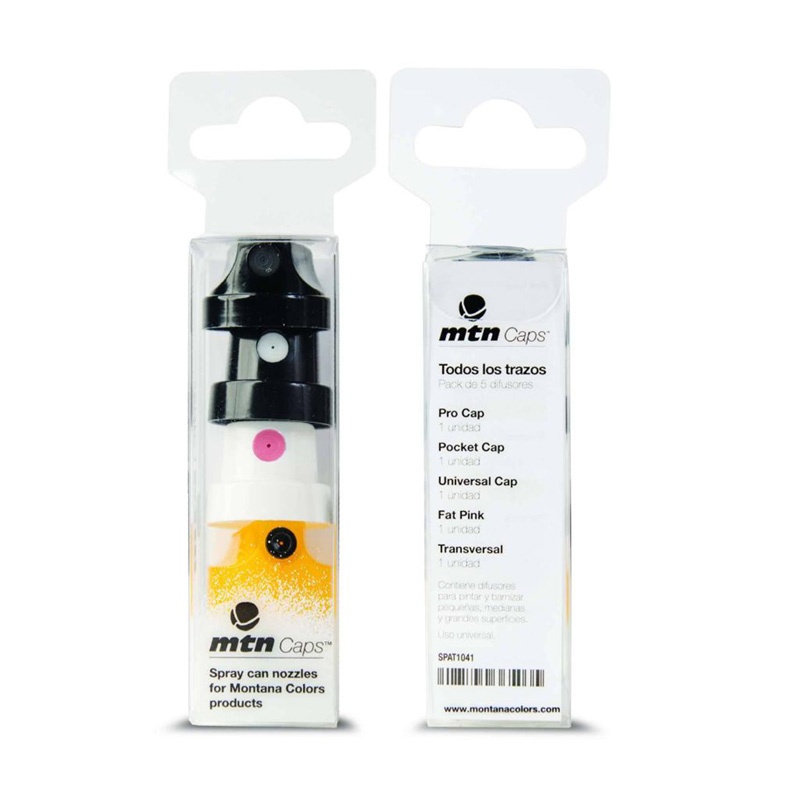
For specialty spray paint users, he also points to application accessories: “At Montana Colors, a great add-on is our caps; we have different types of caps for different types of jobs.”
The general retail takeaway is that the aisle should not be merchandised as “cans only.” Customers need prep and protection items, plus primers and clear coats depending on the surface and desired durability. Placing those products nearby and training employees to mention them turns a single-item purchase into a complete project solution.
Treat Signage as a Selling Tool
Grins says signage is often overlooked, particularly in long-established categories. “Signage is super important and is almost a lost art in spray paint. Brands have been on the shelf so long they think they don’t need to communicate anymore.”
He also notes that many newer shoppers would benefit greatly from simple assistance. “There is an entirely new generation coming into stores who are clueless and could use guidance,” Grins says.
For retailers, that means signage can do more than label price. Simple project cues and quick instructions can reduce uncertainty and increase conversion: finish callouts, surface prep reminders and pointers such as primer-first guidance for slick surfaces. Project-based displays can also help, especially when tied to seasonal needs or common tasks.
Keep Spray Paint in the Paint Department
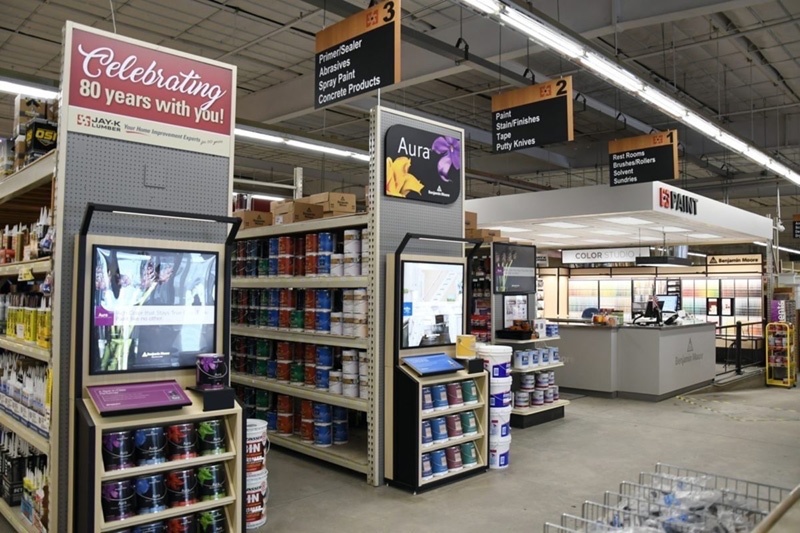
Placement is another recurring problem Grins sees in the field. “[Put it] in the paint section,” he says, noting he has walked stores where spray paint lives elsewhere. “Keep it simple is the golden rule.”
Placing spray paint within the paint department reinforces logical shopping behavior and strengthens adjacencies. It also keeps the category near the employees most likely to answer paint-related questions and recommend prep products.
Choose Depth vERSUS Breadth Based on Customer Base
Inventory strategy depends on who shops the aisle. “A lot of factors go into this decision,” Grins says. “Most importantly, though, stores with a decided consumer base should keep the stock deep to ensure that those customers don’t go elsewhere.” He adds that stores that are aiming to reach a wider audience may benefit from expanding color options to increase category appeal.
The practical approach is to decide what the store wants the category to be, then manage it accordingly: deeper inventory in core colors and systems for established users, broader color coverage where the opportunity is attracting more casual or first-time buyers.