

U.S. Imposes Tariffs on Lumber, Cabinets, and Furniture Imports
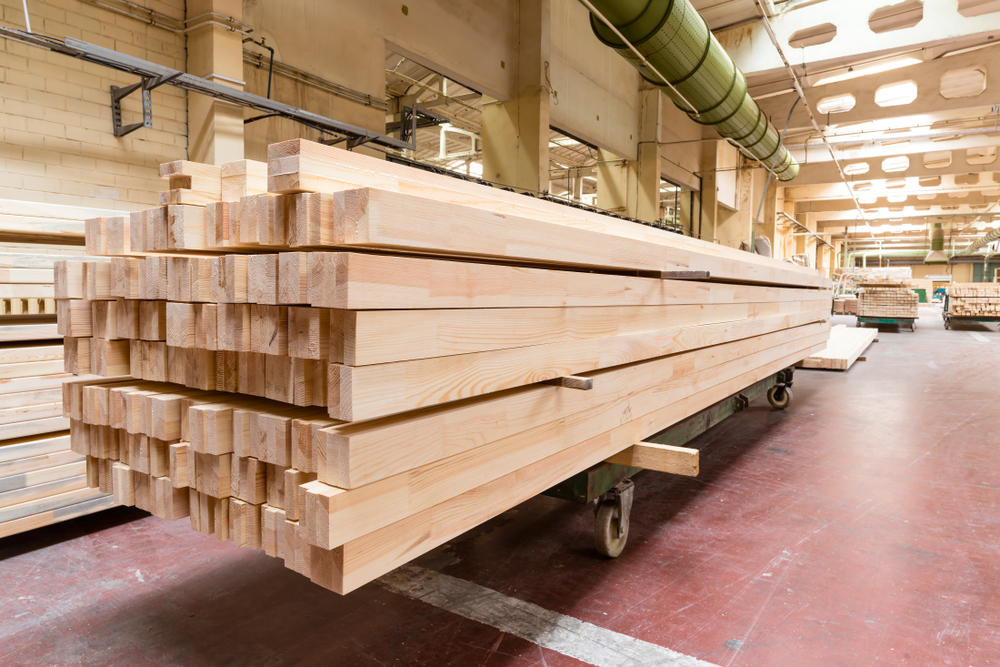
President Donald J. Trump has signed a proclamation imposing new tariffs on imports of timber, lumber, and derivative wood products, citing national security concerns under Section 232 of the Trade Expansion Act.
Beginning October 14, 2025, softwood lumber imports will carry a 10 percent tariff, while kitchen cabinets, vanities, and upholstered wooden furniture will face a 25 percent tariff. On January 1, 2026, duties will increase further, to 50 percent for cabinets and vanities and 30 percent for upholstered furniture.
The proclamation also directs the Secretary of Commerce to continue monitoring imports and deliver a report by October 1, 2026, on whether additional adjustments are warranted. The U.S. Trade Representative has been instructed to consult with trading partners about the actions.
The administration said the tariffs are intended to support domestic timber and furniture production and reduce reliance on imports, particularly from Asia. Industry analysts quoted in a New York Times report noted that higher tariffs could raise prices on building materials, cabinetry, and home furnishings, with potential ripple effects across construction and retail sectors.
For hardware and home center retailers, the impact could depend on supply sources and product mix. Analysts told the Times that increased costs on imported lumber and finished wood products may shift demand toward domestic suppliers but could also raise expenses for contractors and homeowners undertaking projects.
The announcement marks the latest in a series of trade actions by the Trump administration aimed at reshaping U.S. manufacturing and supply chains.
Recent Hardware Connection coverage of the impact tariffs have on independent hardware retailers include:
- Store Owner Toolkit: Preparing for Tariff Disruption in Hardware Retail—Independent hardware retailers are gearing up for tariff-driven disruption as Orgill executives outline strategies to manage price volatility, shift sourcing, and maintain margins in an uncertain import climate.
- Retailers Navigate Economic Uncertainty with Caution, Concern— Retailers are approaching the current economic outlook with caution and concern, adjusting strategies and monitoring consumer behavior to balance growth with stability.
- U.S. Tariffs Pose Challenges for Independent Hardware Retailers; Buying Groups Respond—In March, industry buying groups outlined steps to help members manage cost pressures as tariffs on lumber and wood products took effect.